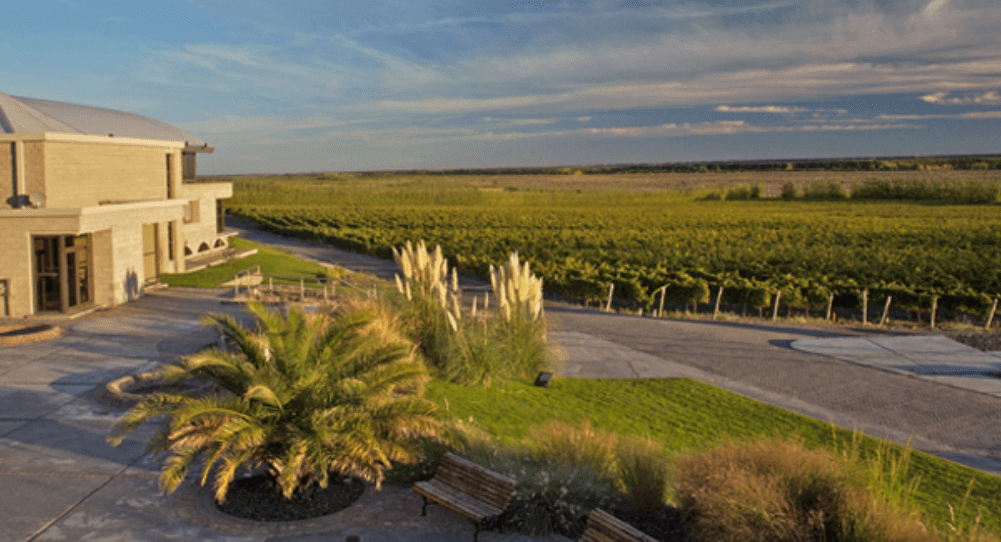
The “Wine Route” – 30 km Mendoza, Argentina

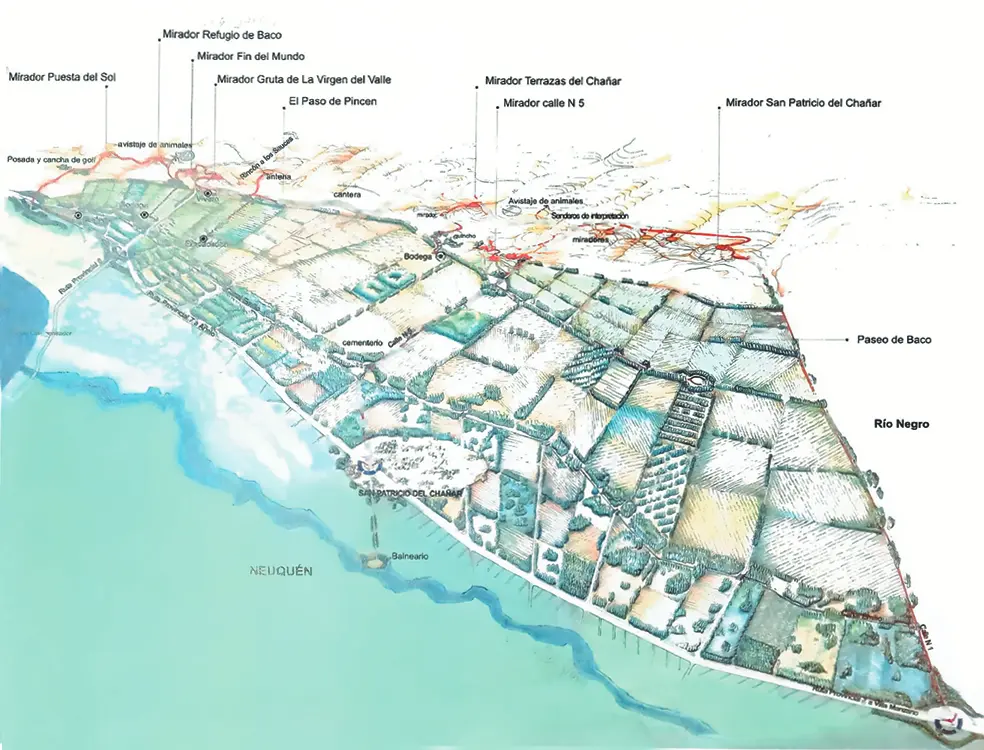
Neuquén, Argentina Wine Route Masterplan
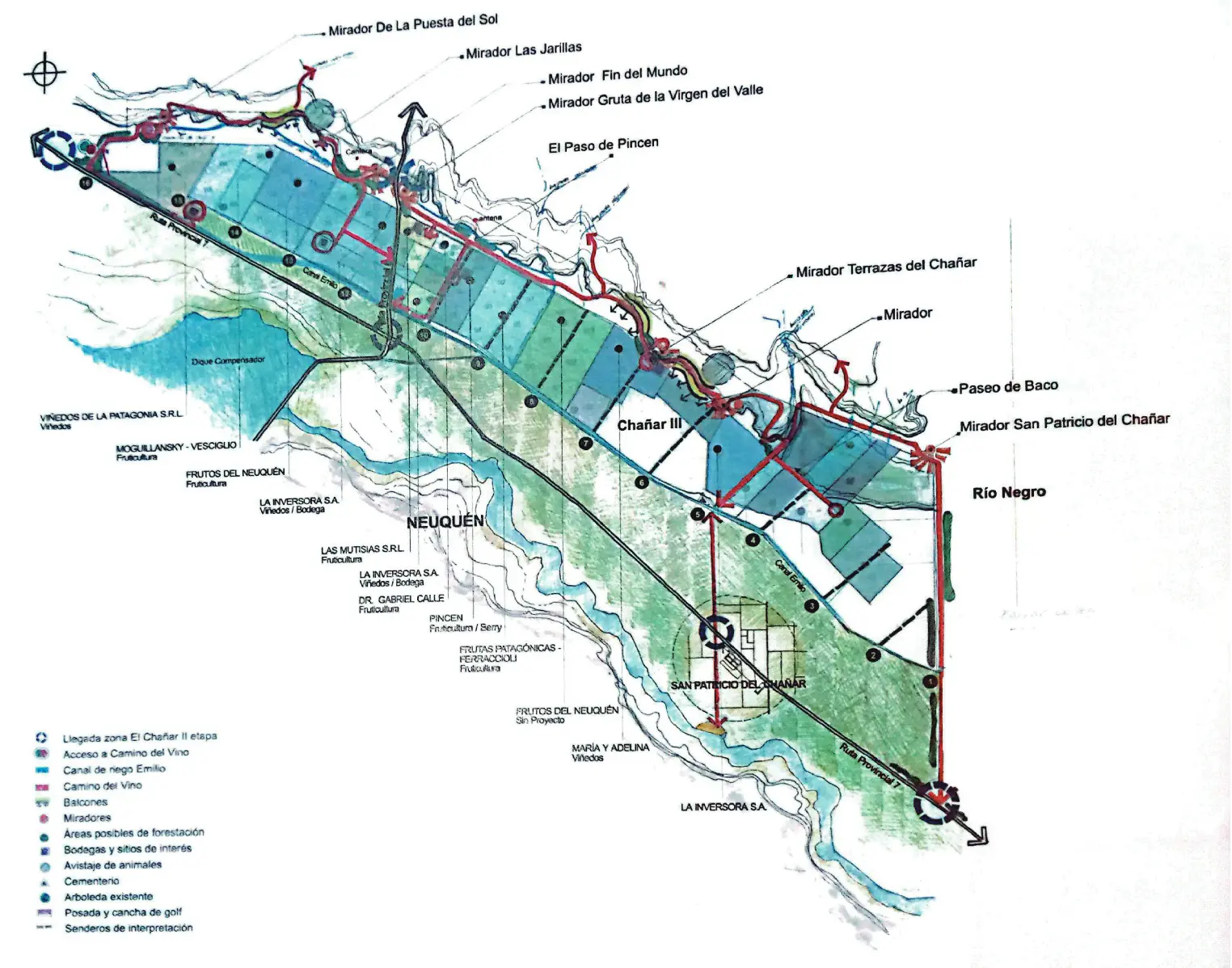
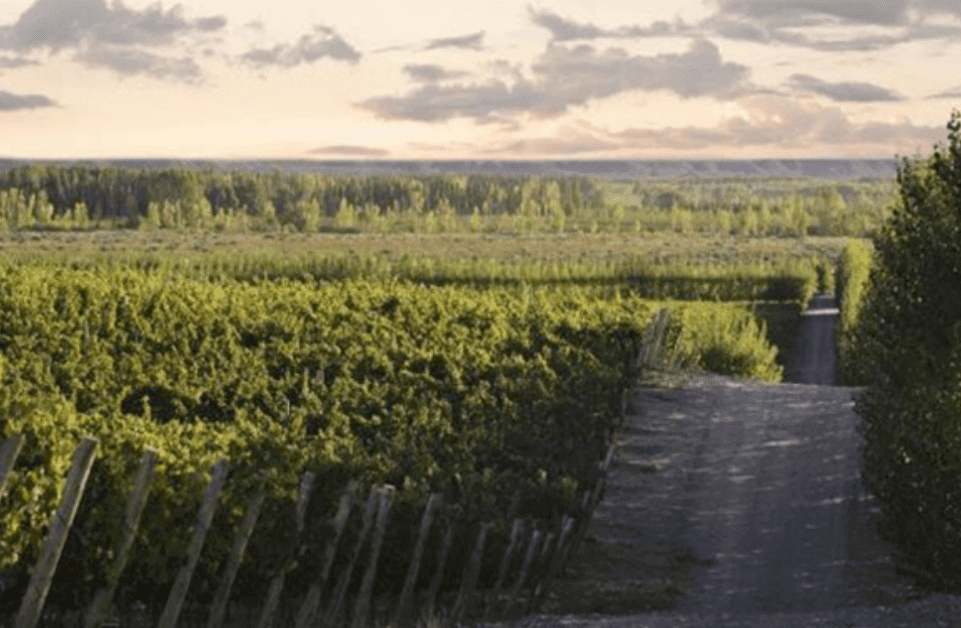
The Neuquén Wine Route is a 30-kilometer cultural landscape that weaves together viticulture, tourism, and regional identity in the heart of Patagonia. Set within the semi-arid plateau north of the Río Negro, the route exists thanks to the Neuquén irrigation system—an ambitious hydrologic network fed by the Cerros Colorados hydroelectric complex that transformed more than 60,000 hectares of desert steppe into productive agricultural land. The resulting mosaic of vineyards, orchards, and rural communities created an opportunity for a unified visitor experience that celebrates both the territory’s natural character and its modern agricultural economy.
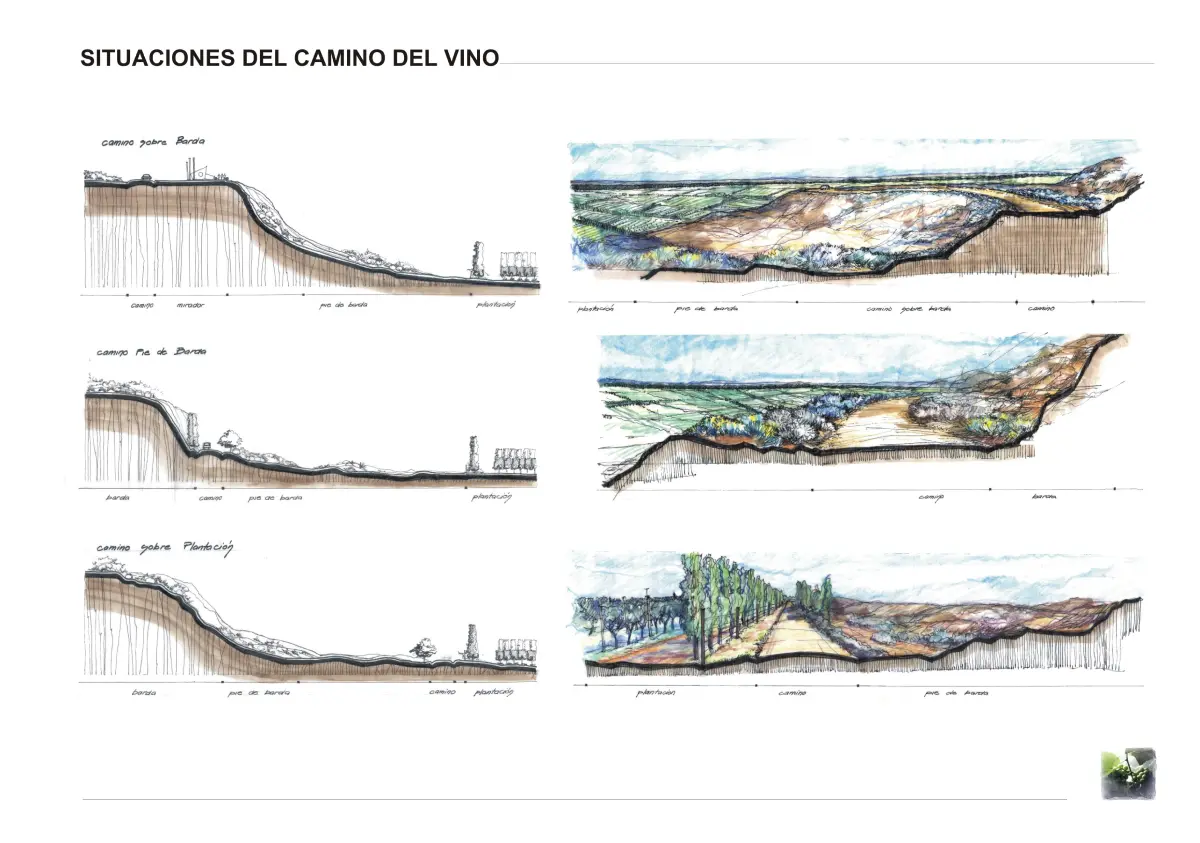
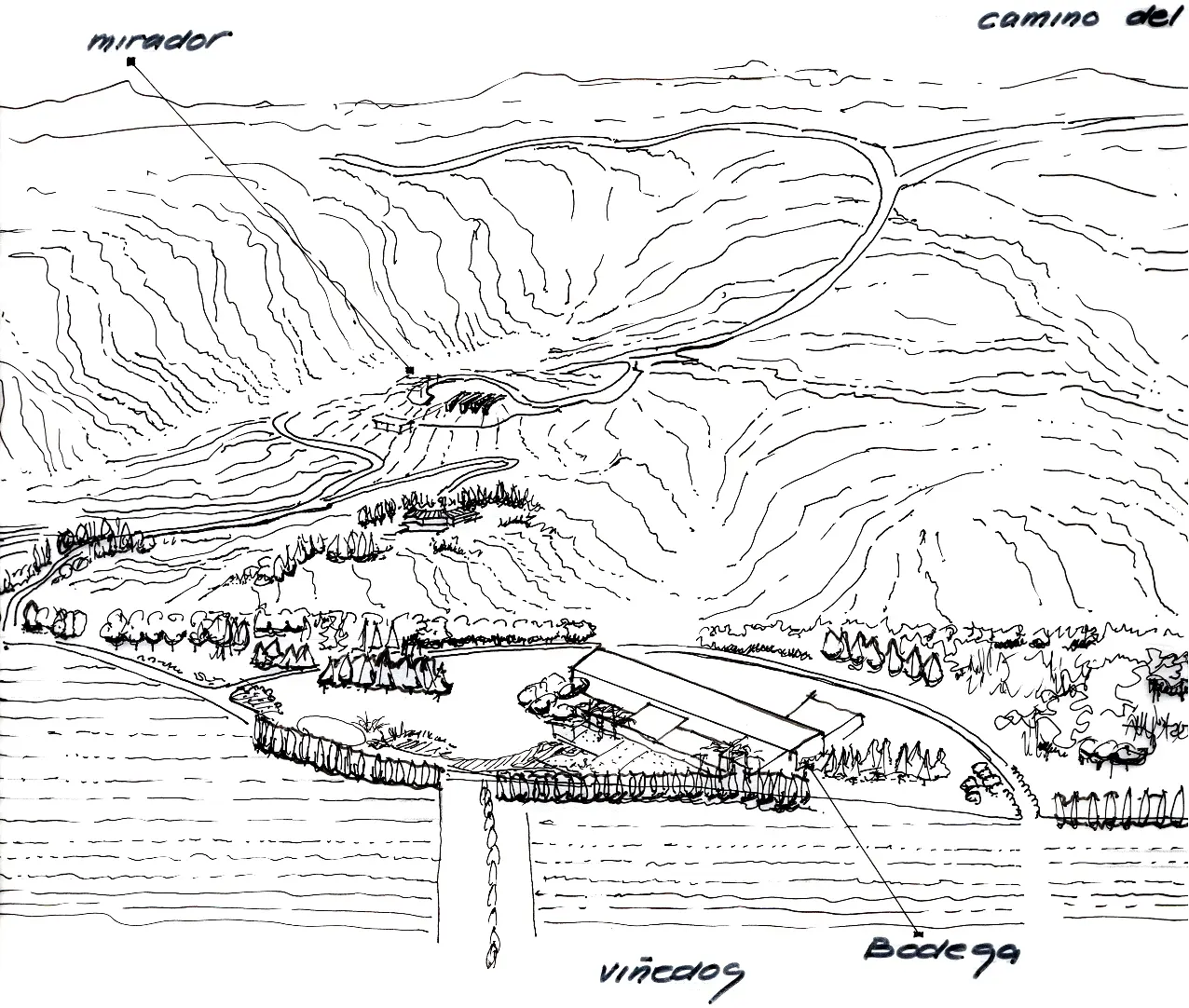
The planning framework for the Wine Route organizes this territory into a coherent, legible, and ecologically grounded corridor. The masterplan defines a sequence of experiences—arrival thresholds, scenic overlooks, vineyard crossings, and cultural nodes—connected through a hierarchy of roads, trails, and landscape edges. Interventions are calibrated to the region’s climate, soils, and steppe ecology, emphasizing water-wise planting, wind-responsive landforms, and materials drawn from the rural vernacular. The intent is a landscape that feels both contemporary and deeply rooted in Neuquén’s identity.
Interpretive elements and visitor infrastructure enrich the journey while respecting the surrounding environment. Wayfinding and signage are conceived as a unified family, using simple forms and local materials to guide visitors toward wineries, chacras, paleontological sites, and gastronomic destinations. A network of miradores and short walking loops offers moments of immersion—framing long views across vineyards and the desert plateau, and revealing the ecological underpinnings of this irrigated landscape. These public-realm components support tourism while protecting sensitive areas through controlled access and thoughtful circulation planning.
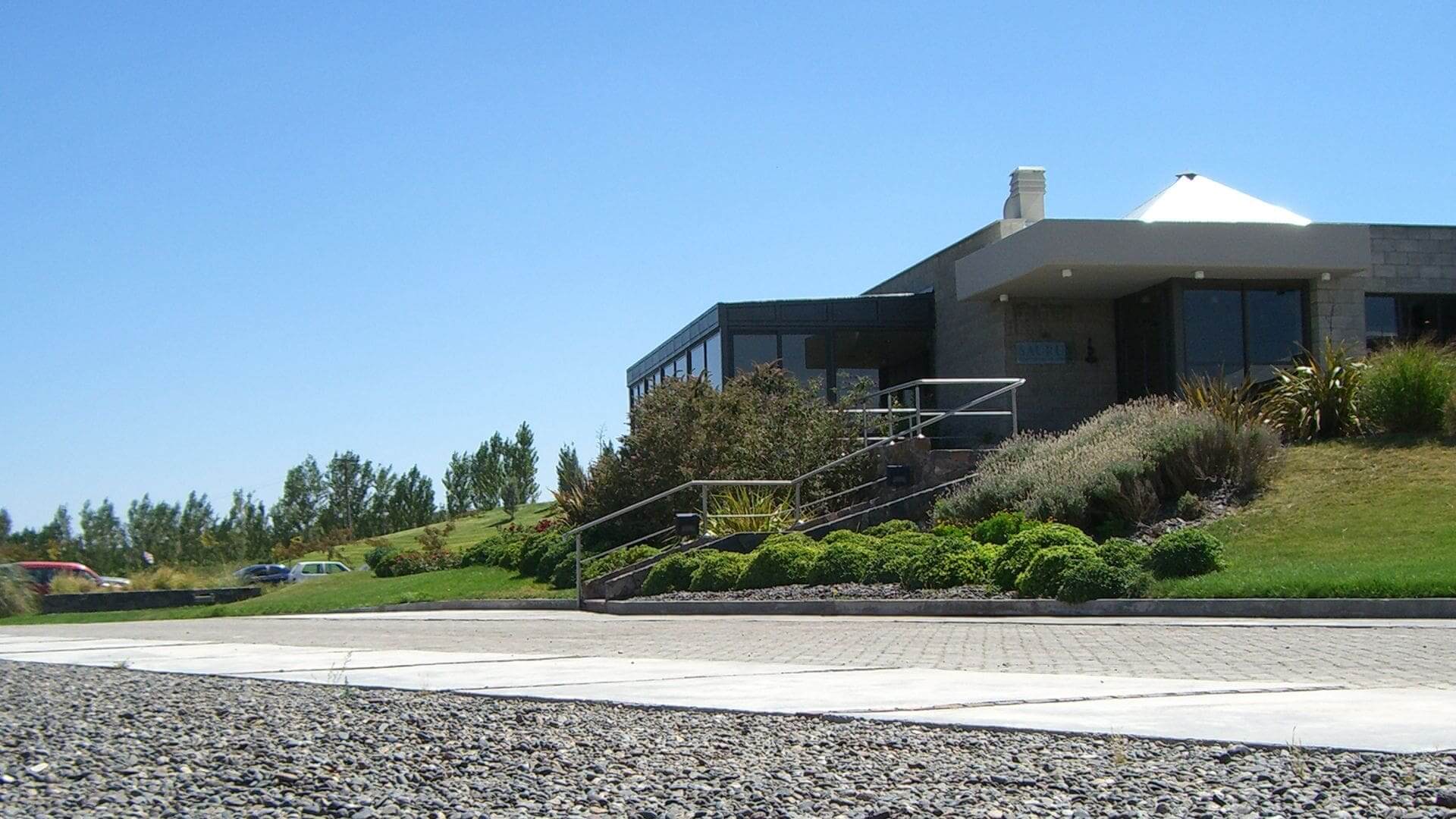
By aligning agricultural production, landscape conservation, and rural tourism, the Neuquén Wine Route has become a model for sustainable regional development. The corridor strengthens the relationship between San Patricio del Chañar, its wineries, and surrounding communities by encouraging local entrepreneurship—accommodations, dining, craft producers, and cultural programming—all anchored in a reinforced territorial identity. The framework ensures that growth enhances the landscape rather than overburdens it, allowing the region’s natural systems, cultural heritage, and economic opportunities to evolve together for generations.