Real Madrid Sport City
Real Madrid Sport City
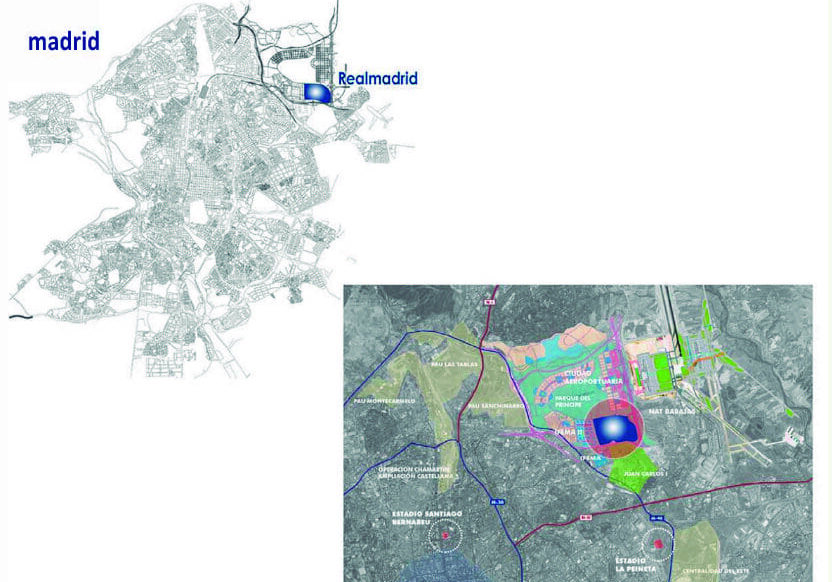
The Real Madrid Sports City in Valdebebas was conceived as a new 120-hectare institutional campus that could express the energy of the club while extending its brand into a year-round destination. Set on Madrid’s northeastern edge near Barajas Airport and IFEMA, the site’s scale allowed the club to think beyond a training ground—toward a district where sport, culture, commerce, and public life could coexist in a single, legible place. The master plan used the identity of Real Madrid as an organizing idea, translating the rituals of match day into everyday experiences and building a civic landscape around the club’s global following.
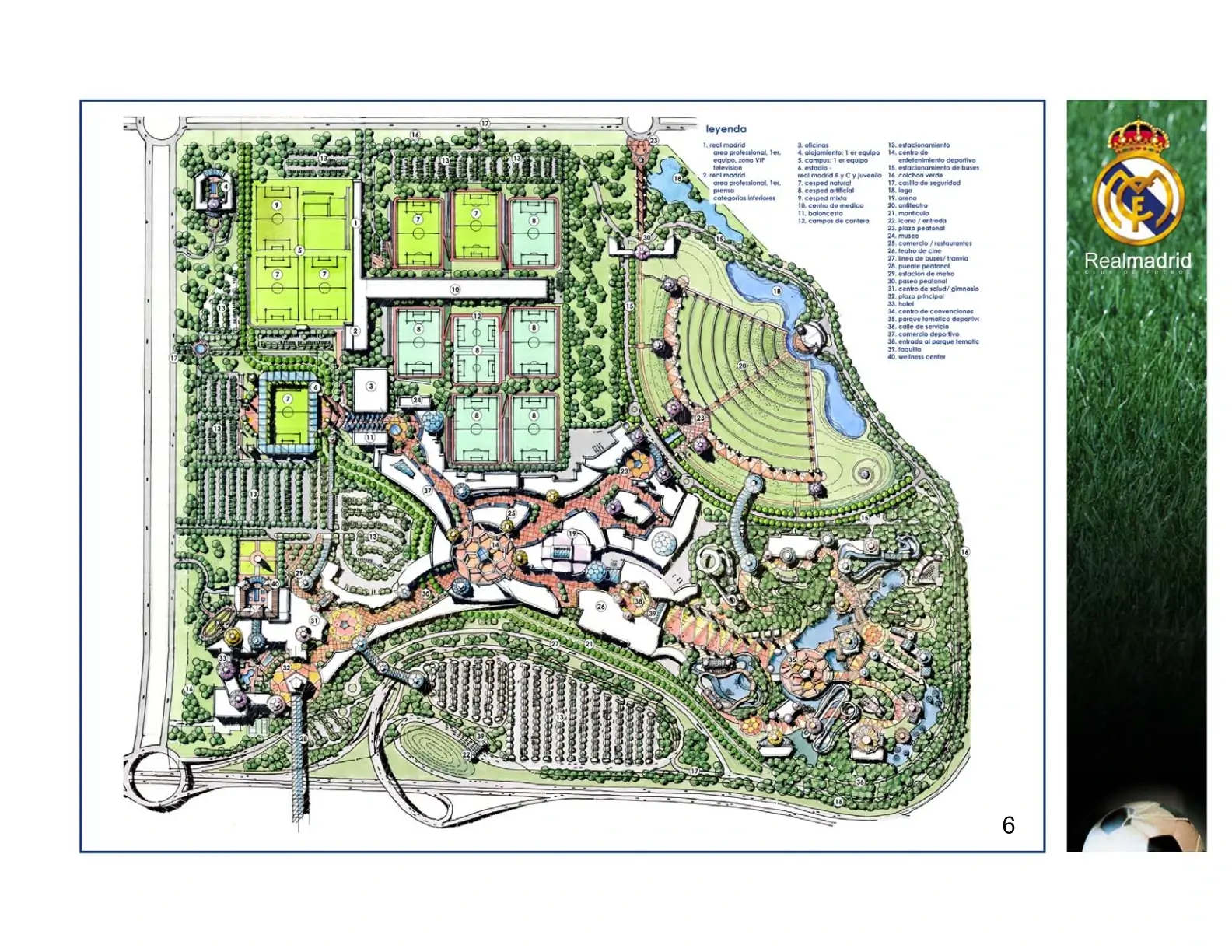
At the heart of the plan, a Retail and Entertainment Village was imagined as the social core: a museum and trophy experience, fan-oriented retail streets, dining, cinema and interactive media, and flexible plazas designed to host gatherings and events. A small stadium and indoor sport arena anchored this nucleus, while an amphitheater and central plaza extended its pull into the wider campus. The approach treated pedestrian space as the main structuring element—radiating promenades and squares that choreograph arrival, movement, and moments of communal celebration.
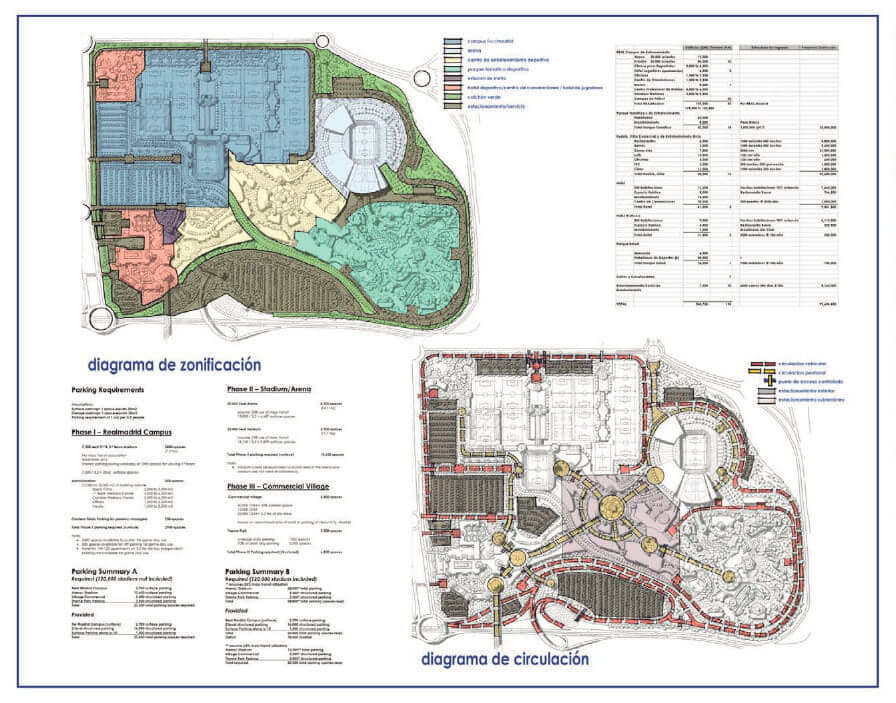
Surrounding this core, the broader territory was zoned to balance active program with open land and long-term growth. Hospitality and wellness uses—conference hotel, fitness and recovery facilities, and sports-themed recreation—were positioned to operate independently of match calendars while reinforcing the club’s lifestyle ecosystem. A reserve area was held for a future iconic stadium, ensuring the plan could absorb a major expansion without diluting the clarity of the original framework.
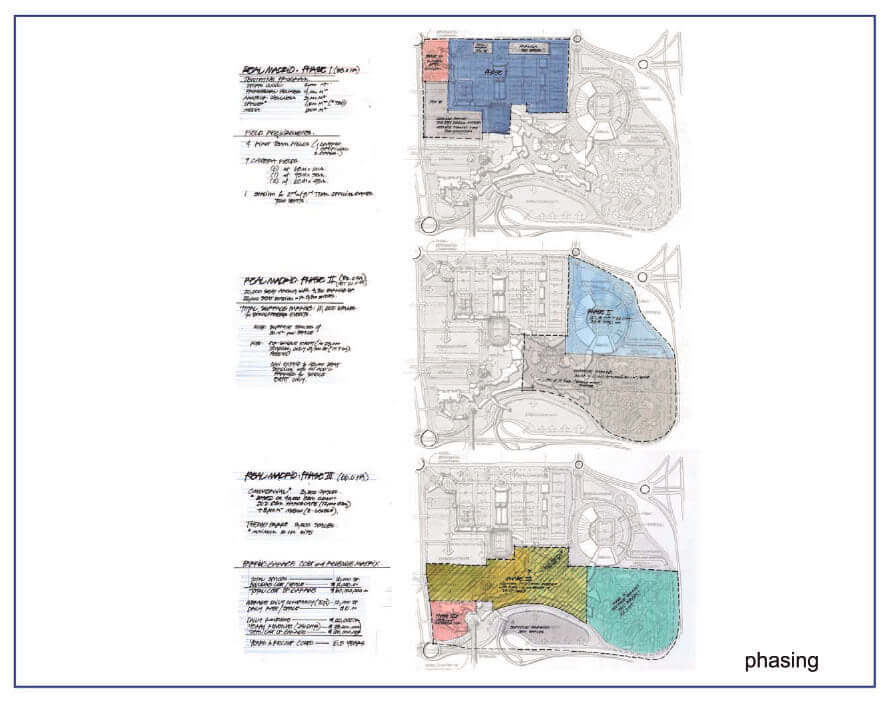
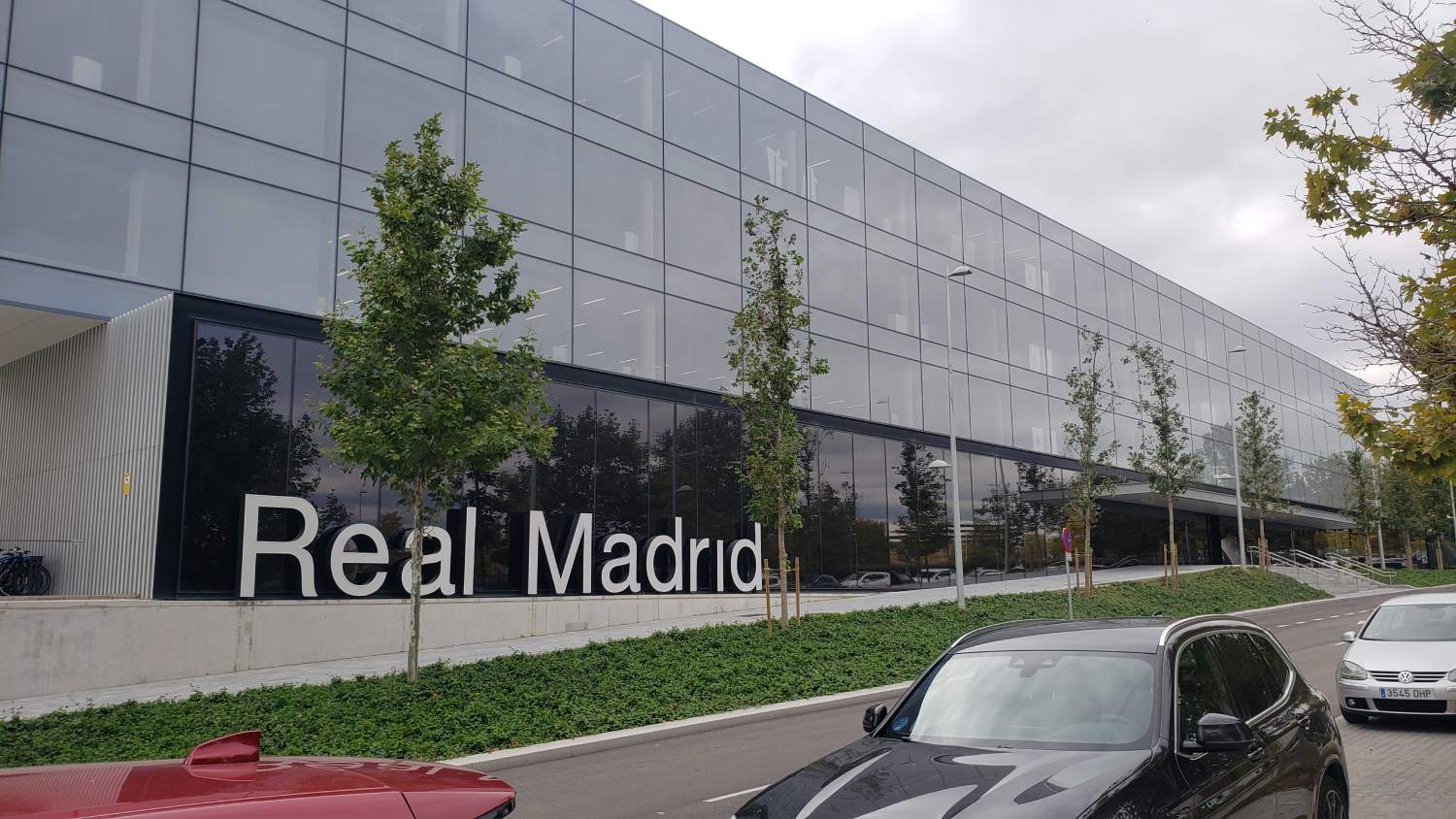
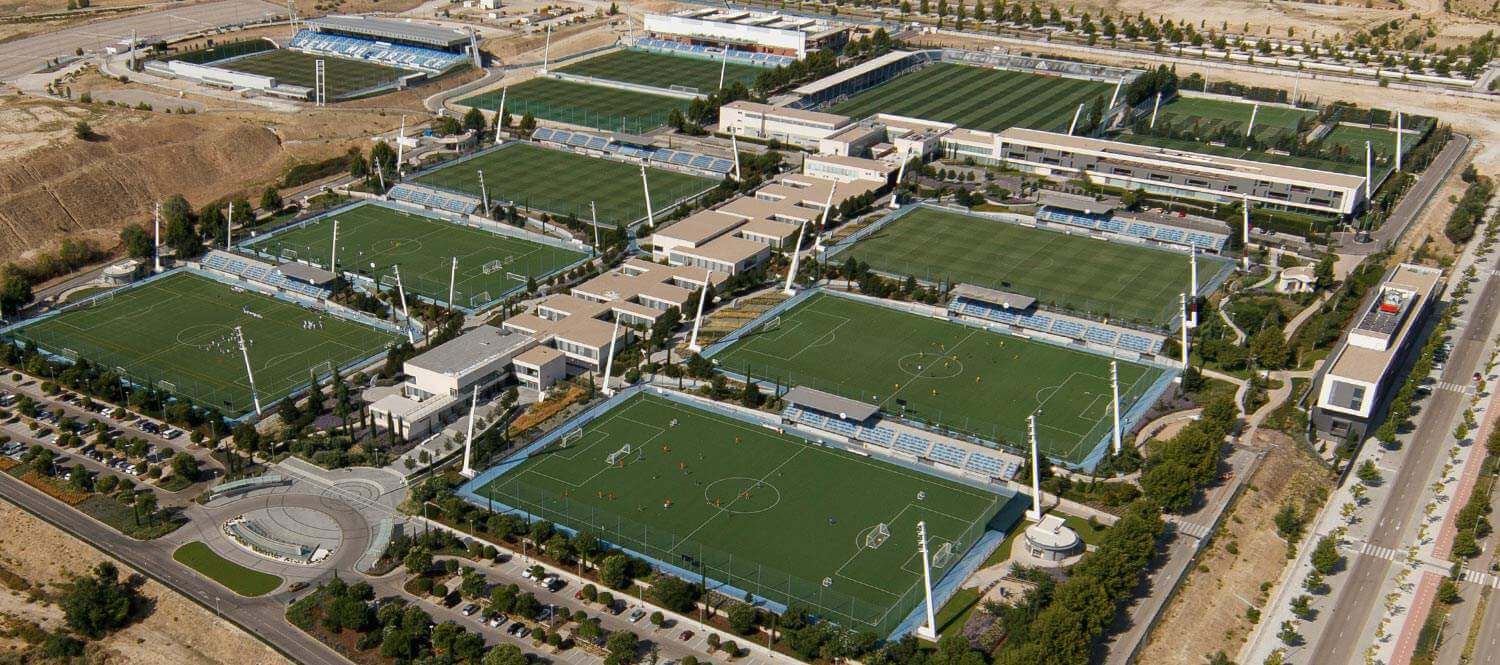
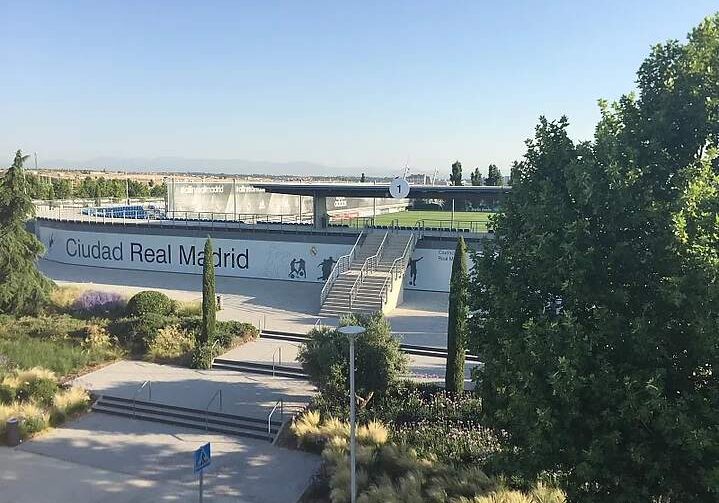
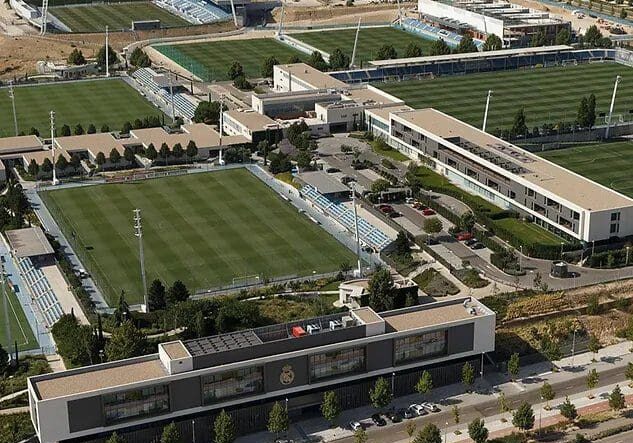
The first built phase realized the campus’s athletic backbone: one of the world’s largest club training environments, totaling roughly 1.2 million m² and featuring a dense constellation of professional and academy pitches, support buildings, medical and performance spaces, and an on-site stadium for Real Madrid Castilla. In recent years, the long-range vision has continued to evolve, with significant portions of the remaining land now earmarked for innovation and research uses—evidence that the original master plan was resilient enough to accommodate Madrid’s shifting urban and economic realities while keeping sport and public realm at its core.